
What Happens If You Don’t Eat for a Week?
Food is one of the most basic human needs. The human body depends on nutrients, calories, vitamins, minerals, and water to survive and function properly. But many people wonder: What happens if you don’t eat for a week?
The answer is both fascinating and serious. When a person stops eating for seven days, the body enters survival mode. It starts using stored energy, changes the way it produces fuel, slows metabolism, and eventually begins breaking down fat and muscle tissue.
Although humans can survive longer than a week without food in some situations, the body experiences major physical and mental changes during that time.
In this detailed article, we will explore:
- What happens day by day when you don’t eat for a week
- How starvation affects the body
- The role of ketosis
- Muscle loss and metabolism changes
- Health risks and survival limits
- What happens to the brain and organs
- Frequently asked questions about starvation
H2
How the Human Body Normally Gets Energy
Under normal conditions, the body gets energy from food. Carbohydrates are broken into glucose, which becomes the body’s primary fuel source.
The body also stores extra energy as:
- Glycogen in the liver and muscles
- Body fat
- Protein in muscles
When you stop eating, the body begins using these stored energy reserves to stay alive.
H2
What Happens During the First 24 Hours Without Food
The first day without food is mostly about using stored carbohydrates.
After your last meal:
- Blood sugar levels begin to fall
- Insulin levels decrease
- The liver releases glycogen for energy
Most people experience:
- Hunger
- Irritability
- Headaches
- Low energy
- Difficulty concentrating
At this stage, the body is still functioning relatively normally because glycogen stores are available.
H2
What Happens After 2 Days Without Eating
By the second day, glycogen stores become depleted.
The body now needs another energy source, so it begins:
- Burning fat
- Producing ketones
- Conserving energy
This process is called ketosis.
Body Fat→Ketones→Energy
Ketones are chemicals produced by the liver from stored fat. These ketones become an alternative fuel source for the brain and body.
Symptoms After 2 Days Without Food
Common symptoms include:
- Dizziness
- Weakness
- Fatigue
- Brain fog
- Bad breath
- Mood swings
- Low blood pressure
The body starts slowing non-essential functions to save energy.
What Happens If You Don’t Eat for 3 to 4 Days
After several days without food, ketosis becomes stronger.
The body now relies heavily on:
- Fat stores
- Ketones
- Muscle tissue for protein
At this point:
- Hunger may temporarily decrease
- Energy levels become unstable
- Physical strength drops significantly
The metabolism slows down to preserve calories.
Why Hunger Sometimes Decreases
Many people think hunger constantly increases during starvation, but this is not entirely true.
Once ketosis becomes established:
- Appetite hormones may change
- The body adapts to fat burning
- Hunger feelings may temporarily reduce
However, weakness and fatigue continue increasing.
What Happens If You Don’t Eat for a Week?
By the end of a full week without food, the body is under major stress.
The body begins:
- Breaking down muscle protein
- Weakening the immune system
- Reducing metabolism
- Conserving energy aggressively
A person may experience:
- Severe weakness
- Muscle loss
- Dizziness
- Fainting
- Mental confusion
- Low blood pressure
- Slow heart rate
At this stage, starvation is becoming medically dangerous.
Muscle Breakdown During Starvation
One of the most serious effects of not eating for a week is muscle loss.
The body eventually breaks down muscle protein to:
- Maintain blood sugar
- Support vital organs
- Produce essential amino acids
This includes:
- Skeletal muscles
- Organ tissue
- Even heart muscle in severe starvation
Muscle loss becomes increasingly dangerous over time.
Why the Body Eats Muscle
The brain still needs glucose, even during starvation.
When fat alone cannot provide everything needed, the body converts amino acids from muscle into glucose through a process called gluconeogenesis.
Muscle Protein→Amino Acids→Glucose
This helps keep the brain and organs functioning temporarily.
What Happens to the Brain Without Food?
The brain normally depends on glucose.
After several days without eating:
- Ketones provide part of the brain’s energy
- Mental clarity may fluctuate
- Concentration becomes difficult
Possible symptoms include:
- Brain fog
- Confusion
- Irritability
- Anxiety
- Poor decision-making
In severe starvation, cognitive function can decline significantly.
What Happens to the Heart?
The heart is highly sensitive to starvation.
Without enough nutrients:
- Blood pressure drops
- Heart rate slows
- Electrolyte imbalances develop
Low potassium and sodium levels can cause:
- Dangerous heart rhythms
- Weakness
- Fainting
- Cardiac arrest in severe cases
This is one reason starvation becomes life-threatening.
Electrolyte Imbalance and Dehydration
One of the biggest risks during prolonged fasting or starvation is electrolyte imbalance.
Important electrolytes include:
- Sodium
- Potassium
- Magnesium
- Calcium
These minerals are critical for:
- Heart function
- Muscle contractions
- Nerve signals
Without proper nutrition, electrolyte levels may become dangerously low.
Can You Survive Longer If You Drink Water?
Yes.
A person can survive much longer without food if they continue drinking water.
Without water:
- Survival may only last a few days
With water:
- Some people survive several weeks without food
Hydration is critical for survival.
Ketosis: The Body’s Emergency Survival System
Ketosis is one of the body’s most important survival mechanisms.
During starvation:
- The liver converts fat into ketones
- Ketones become fuel for the brain
- Fat burning increases
This allows humans to survive periods without food.
However, ketosis during starvation is very different from controlled dietary ketosis used in some low-carb diets.
Weight Loss After a Week Without Food
Rapid weight loss occurs during starvation.
Early weight loss mainly comes from:
- Water
- Glycogen depletion
Later weight loss includes:
- Body fat
- Muscle tissue
Some people may lose:
- 2–5 kilograms or more in a week
However, this is not healthy or sustainable weight loss.
What Happens to the Immune System?
The immune system weakens during starvation.
Without enough nutrients:
- White blood cell production decreases
- Healing slows down
- Infection risk increases
The body prioritizes survival over immune defense.
What Happens to Digestion?
Digestive activity slows significantly.
Possible effects include:
- Stomach pain
- Acid buildup
- Nausea
- Constipation
The digestive system conserves energy because little or no food is entering the body.
What Happens After Eating Again?
Eating after long starvation can also be dangerous.
This condition is called refeeding syndrome.
When food suddenly enters the body:
- Insulin levels rise rapidly
- Electrolytes shift suddenly
- Heart complications may occur
This is why severely starved individuals often need medical supervision while eating again.
How Long Can Humans Survive Without Food?
Survival depends on:
- Body fat
- Water intake
- Medical conditions
- Environment
- Activity level
In some cases, humans have survived:
- Several weeks without food
However, serious organ damage can occur before death.
Starvation vs Intermittent Fasting
Many people confuse starvation with intermittent fasting.
Intermittent fasting:
- Is controlled
- Usually short-term
- Includes regular nutrition
Starvation:
- Involves prolonged nutrient deprivation
- Causes muscle breakdown
- Leads to dangerous health effects
They are not the same thing.
Psychological Effects of Not Eating
Mental health can also be affected.
Possible psychological symptoms include:
- Anxiety
- Depression
- Irritability
- Emotional instability
- Obsessive thoughts about food
Long-term starvation can seriously impact mood and behavior.
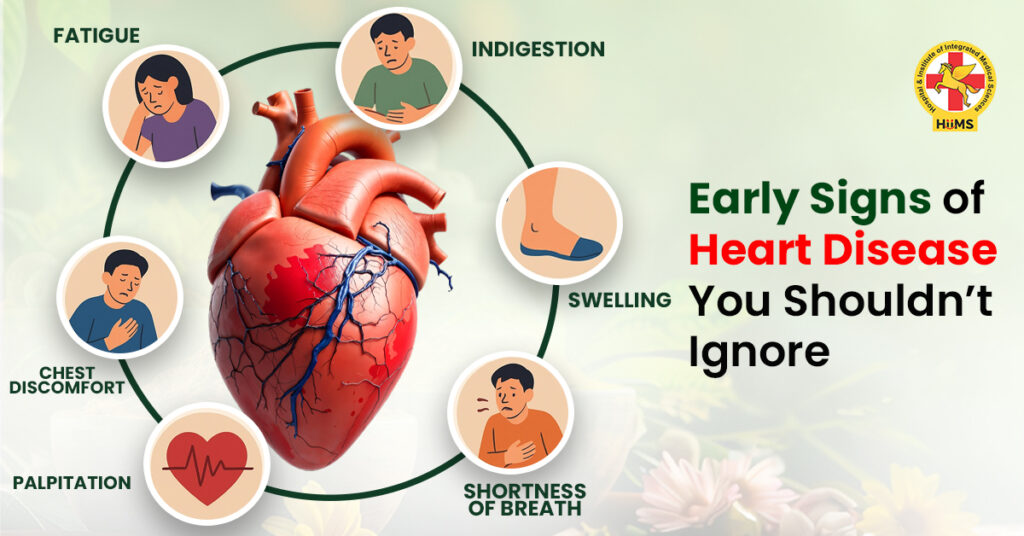
Medical Risks of Not Eating for a Week
Major risks include:
- Malnutrition
- Severe dehydration
- Heart problems
- Organ stress
- Electrolyte imbalance
- Muscle wasting
- Weakened immunity
People with medical conditions are especially vulnerable.
Who Is Most at Risk?
Starvation can become dangerous faster in:
- Children
- Elderly individuals
- Pregnant women
- People with diabetes
- People with eating disorders
- Individuals with chronic illnesses
Medical supervision is important in prolonged fasting situations
FAQs
Can you survive a week without food?
Yes, many people can survive a week without food if they drink water, but the body experiences serious stress and muscle loss.
What happens to your body after 3 days without food?
The body enters ketosis, burns fat for energy, and begins conserving energy.
Does your stomach shrink if you stop eating?
The stomach may temporarily adjust to lower food intake, but it does not permanently shrink quickly.
Can not eating for a week kill you?
It can become life-threatening, especially if dehydration or medical conditions are involved.
How much weight do you lose if you don’t eat for a week?
Weight loss varies, but many people lose several kilograms due to water, fat, and muscle loss.
Is starvation the same as fasting?
No. Controlled fasting is different from prolonged starvation.
Conclusion
So, what happens if you don’t eat for a week?
The body enters a complex survival process involving glycogen depletion, ketosis, fat burning, muscle breakdown, slowed metabolism, and major physiological stress.
While humans can survive for extended periods without food under certain conditions, starvation places enormous strain on the body and can quickly become dangerous.
The body is remarkably adaptive, but it still requires proper nutrition to maintain health, strength, organ function, and survival. Prolonged food deprivation should never be taken lightly, especially without medical supervision.
Image Alt Text
- Human body effects during starvation after one week
- Illustration of ketosis and fat burning in the body
- Weak person sitting without food during fasting
- Diagram showing muscle loss during starvation
- Healthy vs starving body comparison infographic
- Medical illustration of dehydration and weakness
- Brain and body changes during prolonged fasting
- Water bottle beside empty plate representing starvation