When You Order a Full Pizza In Italy, Why Does It Come Unsliced?
Italy is famous for many things — art, fashion, architecture, pasta, and most importantly, pizza. Millions of tourists visit Italy every year expecting the cheesy, pre-sliced pizzas they are familiar with from countries like the United States, Canada, or India. However, many travelers are surprised when their pizza arrives whole and completely unsliced.
This raises a common question: In Italy, when you order a full pizza, why does it come unsliced?
The answer lies deep within Italian food culture, dining traditions, history, and the authentic way Italians enjoy pizza. In Italy, pizza is not just fast food; it is considered an experience, an art form, and a part of cultural identity.
In this article, we will explore the fascinating reasons why pizza in Italy is traditionally served unsliced, the history behind this custom, regional differences, dining etiquette, and how Italian pizza culture differs from international pizza chains.
Read More- The Tradition Behind Unsliced Pizza in Italy
The Tradition Behind Unsliced Pizza in Italy
One of the biggest reasons Italian pizza comes unsliced is tradition. Italian dining culture values freshness, presentation, and personal eating experiences.
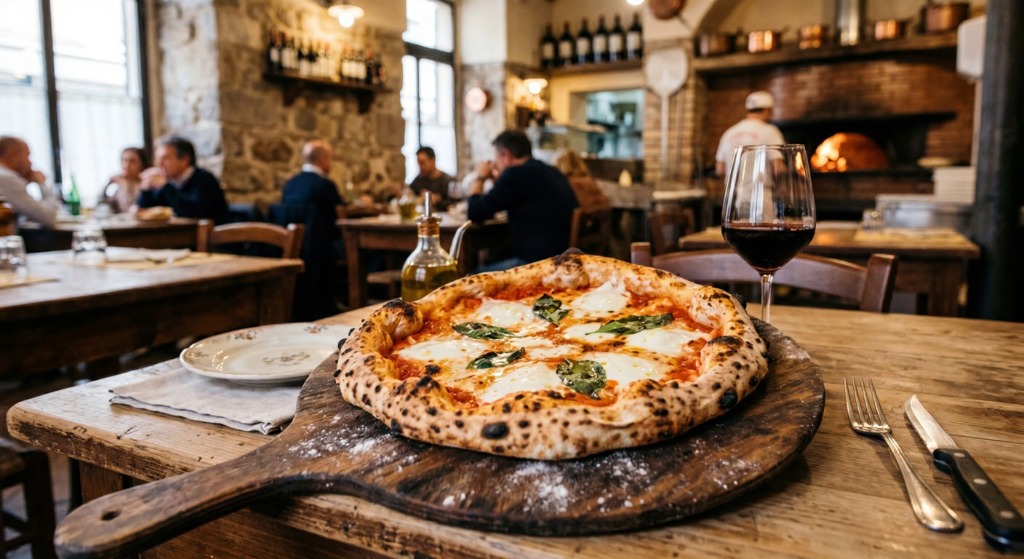
Unlike fast-food pizza chains that focus on convenience and speed, traditional Italian pizzerias prioritize authenticity. The pizza is usually baked in a wood-fired oven at extremely high temperatures, producing a soft center and crispy crust. Slicing the pizza immediately after baking can release steam and moisture, affecting texture and taste.
Serving pizza whole allows customers to enjoy it exactly as intended by the chef.
Pizza in Italy Is Considered a Personal Meal
In many countries, pizza is viewed as a shared group food. Families or friends order large pizzas and divide slices among everyone.
However, in Italy, pizza is often considered an individual meal. Each person orders their own pizza rather than sharing one large pie.
This is especially common with traditional Neapolitan pizza. Since the pizza belongs to one person, there is less need for pre-cut slices.
The diner uses a knife and fork or cuts slices themselves according to preference.
Italian Dining Etiquette and Pizza
Italian dining etiquette is different from American-style fast dining. Italians often enjoy long meals, conversations, and relaxed dining experiences.
When pizza is served unsliced:
- It stays warmer longer
- The toppings remain intact
- The crust keeps its texture
- The presentation looks more elegant
Many Italians start eating pizza with a knife and fork before eventually picking up slices by hand.
The History of Pizza in Italy
To understand why pizza comes unsliced, it is important to explore the history of pizza itself.
Pizza originated in Naples during the 18th century. At the time, it was a simple street food eaten by working-class people.
Traditional pizza was made with:
- Dough
- Tomatoes
- Olive oil
- Cheese
- Fresh basil
The famous Pizza Margherita was later created to honor Queen Margherita of Italy.
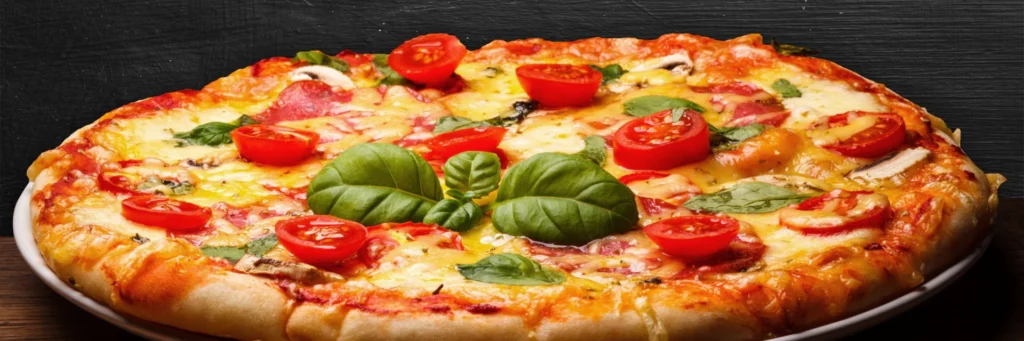
Back then, pizzas were often folded and eaten by hand. The modern practice of slicing pizzas into triangular pieces became more common outside Italy, especially in the United States.
Read More-Differences Between Italian Pizza and American Pizza
Differences Between Italian Pizza and American Pizza
Many people compare Italian pizza with American pizza, but they are actually very different foods.
| Italian Pizza | American Pizza |
|---|---|
| Thin crust | Thick crust |
| Soft center | Firm slices |
| Fresh ingredients | Heavy toppings |
| Personal-sized | Large shared pizzas |
| Usually unsliced | Pre-sliced |
| Traditional dining | Fast-food culture |
American pizza chains popularized the idea of sliced pizza for easy sharing and delivery. In contrast, Italian pizza focuses on craftsmanship and freshness.
Why Italian Pizzerias Avoid Pre-Slicing Pizza
There are several practical reasons why many Italian restaurants avoid slicing pizza before serving it.
1. Prevents Sogginess
Fresh pizza contains moisture from tomato sauce, mozzarella, and olive oil.
Cutting the pizza immediately allows steam to escape, which can make the center soggy. Keeping the pizza whole helps maintain texture.
2. Protects the Presentation
Italian chefs take pride in pizza presentation. A whole pizza looks visually appealing and artistic.
Once sliced, toppings may slide around or separate from the crust.
3. Gives Customers Control
Every customer has a different eating style. Some prefer large slices, while others cut smaller pieces.
Serving an unsliced pizza lets diners decide how they want to eat it.
4. Maintains Structural Integrity
Traditional Neapolitan pizza has a soft, flexible crust. Pre-slicing may cause slices to collapse under the toppings.
Keeping it whole prevents this issue.
Regional Pizza Styles in Italy
Italy has many regional pizza variations, and serving styles can differ depending on the region.
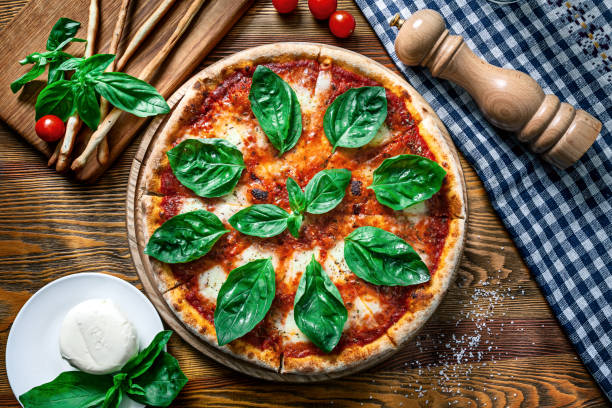
Neapolitan Pizza
Originating from Naples, Neapolitan pizza is soft, chewy, and usually served unsliced.
It is traditionally eaten using a knife and fork.
Roman Pizza
Roman pizza tends to have a thinner and crispier crust. Some Roman pizzerias may lightly slice the pizza, especially for tourists.
Pizza al Taglio
Pizza al Taglio literally means “pizza by the cut.”
This style is common in bakeries and takeaway shops. Customers buy pizza by weight, and it is sliced before serving.
Italian Pizza Culture vs Fast Food Culture
One major reason tourists are surprised by unsliced pizza is the influence of global pizza chains.
Brands like Domino’s Pizza and Pizza Hut have normalized pre-sliced pizzas worldwide.
These companies focus on:
- Delivery convenience
- Quick eating
- Sharing among groups
- Uniform slices
Italian pizza culture focuses more on:
- Freshness
- Craftsmanship
- Slow dining
- Ingredient quality
- Authentic traditions
This cultural difference explains why Italian pizzas are often served whole.
How Italians Actually Eat Pizza
Many travelers assume Italians always eat pizza with their hands, but this is not entirely true.
In formal pizzerias, Italians commonly:
- Use a knife and fork first
- Cut the pizza into manageable pieces
- Eat slowly and casually
- Sometimes pick up smaller slices by hand later
The dining atmosphere is usually relaxed and social.
Is Unsliced Pizza Better?
Food lovers often debate whether unsliced pizza tastes better.
Many pizza experts believe whole pizzas preserve texture and temperature more effectively.
Benefits include:
- Crispier crust
- Better cheese consistency
- More attractive presentation
- Improved moisture balance
For authentic Italian pizza, many chefs believe serving it whole delivers the best experience.
Tourist Reactions to Unsliced Pizza in Italy
Tourists visiting Italy for the first time are often surprised by unsliced pizza.
Common reactions include:
- Confusion about eating etiquette
- Searching for a pizza cutter
- Expecting takeaway-style slices
- Comparing it to American pizza
However, after experiencing authentic Italian pizza culture, many travelers begin appreciating the tradition.
The Role of Wood-Fired Ovens
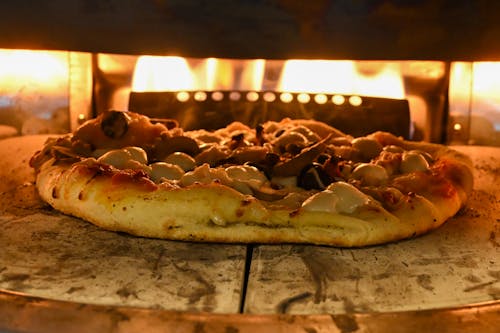
Traditional Italian pizzas are usually cooked in wood-fired ovens reaching temperatures above 400°C.
These ovens create:
- Crispy edges
- Soft centers
- Slightly charred crusts
- Smoky flavor
Because of the soft center, slicing immediately after baking can damage the pizza’s structure.
Serving it whole helps preserve the texture.
Why Pizza Became Sliced Outside Italy
The concept of sliced pizza became popular in the United States during the 20th century.
As pizza evolved into a fast-food item, restaurants needed ways to:
- Serve groups quickly
- Improve portability
- Increase convenience
- Speed up delivery
Pre-sliced pizza became the standard for commercial pizza businesses.
This Americanized style later spread worldwide.
Authentic Italian Pizza Experience
If you visit Italy and order pizza, here are some tips:
Do:
- Enjoy the pizza slowly
- Use a knife and fork if desired
- Appreciate the fresh ingredients
- Try regional pizza styles
Don’t:
- Expect extra cheese overload
- Compare everything to fast-food pizza
- Rush through the meal
- Be surprised if the pizza arrives whole
Best Places in Italy to Try Authentic Pizza
Some famous Italian cities known for pizza include:
- Naples
- Rome
- Florence
- Milan
These cities offer different regional styles and authentic dining experiences.
Table of Contents
Why is pizza not sliced in Italy?
Pizza in Italy is traditionally served unsliced to preserve texture, presentation, and authenticity. Italians usually cut it themselves while eating.
Do Italians eat pizza with a fork and knife?
Yes. Many Italians begin eating pizza with a knife and fork, especially in restaurants.
Is pizza in Italy meant for one person?
Yes. Most Italian pizzas are personal-sized meals rather than shared dishes.
Is Italian pizza different from American pizza?
Absolutely. Italian pizza typically has a thinner crust, lighter toppings, and is served unsliced.
What is the most famous pizza in Italy?
Pizza Margherita is one of the most famous Italian pizzas.
Do all Italian restaurants serve pizza unsliced?
Not always. Some tourist-focused restaurants or takeaway shops may pre-slice pizzas, but traditional pizzerias usually serve them whole.
Conclusion
So, when you order a full pizza in Italy, why does it come unsliced? The answer lies in tradition, culture, craftsmanship, and the authentic Italian dining experience.
Unlike fast-food pizza culture that prioritizes convenience, Italian pizza culture values freshness, texture, presentation, and personal enjoyment. Serving pizza unsliced helps preserve the pizza’s quality while allowing diners to experience it the traditional way.
Whether you are visiting Naples for authentic Neapolitan pizza or exploring pizza culture across Italy, understanding this tradition adds a deeper appreciation for one of the world’s most beloved foods.
The next time your pizza arrives whole and unsliced in Italy, you will know that it is not a mistake — it is part of a centuries-old culinary tradition.